
Industries
IP Protection by Industry in Thailand
Intellectual property priorities differ by sector. We advise on the rights that matter for your products, technologies and markets.
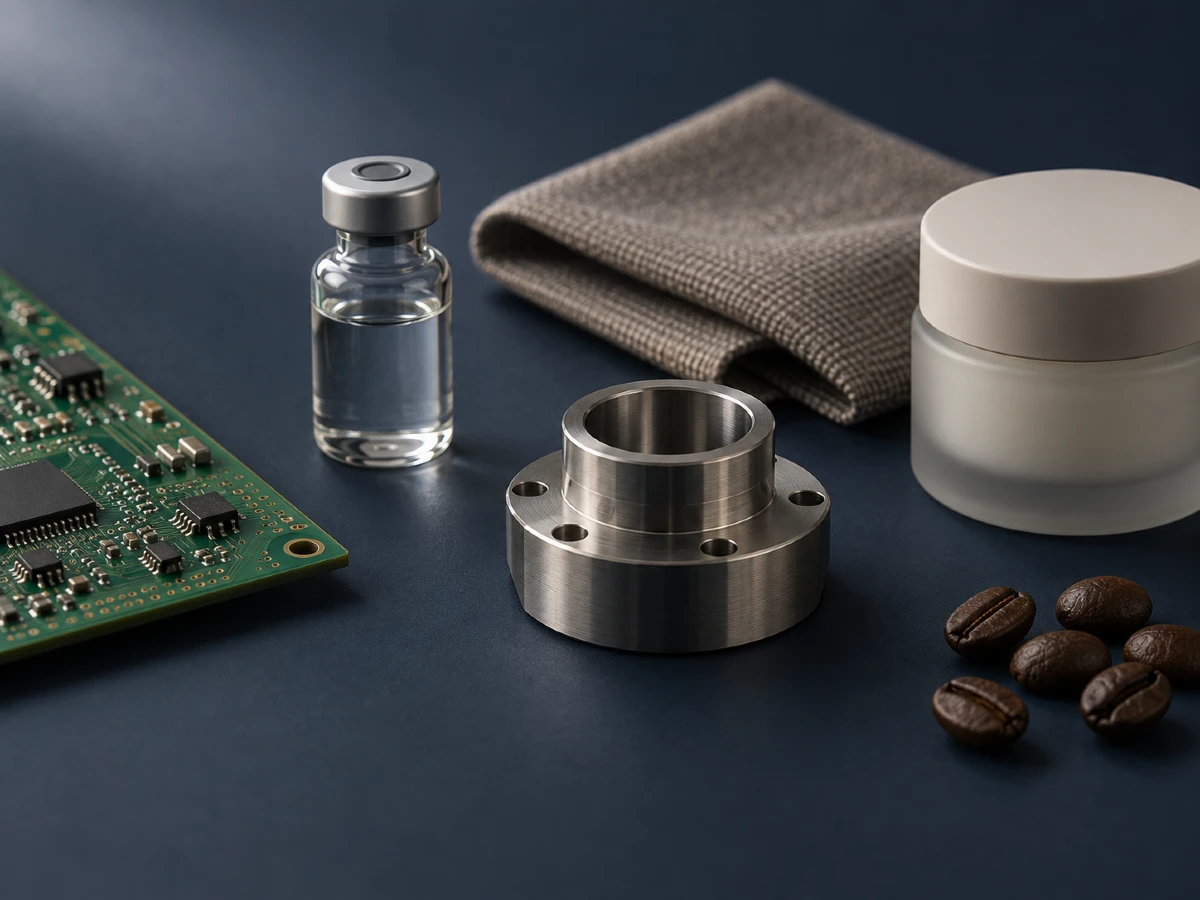
Sector overview
How IP priorities differ across sectors
A pharmaceutical company may depend on a small number of key patents, a fashion brand on trademarks and enforcement, and a software business on copyright, confidentiality and contracts.
This overview of IP protection by industry in Thailand summarises the rights and practical issues that typically matter in ten sectors. Each overview is general; the right strategy depends on your products, markets and commercial plans.
Pharmaceuticals, Biotechnology and Medical Devices
Pharmaceutical and life sciences products typically depend on patents covering compounds, formulations and devices, supported by trademarks for product names and confidentiality for research and manufacturing information. Planning in Thailand should also account for the compulsory licensing and government-use provisions of the Patent Act. Licensing, co-development and distribution agreements need clear terms on ownership, improvements and enforcement.
Key IP considerations
Software, AI and Digital Technologies
Software, AI and digital businesses create value in code, models, data and brands. Computer programs are protected by copyright in Thailand, while source code, algorithms and training data are usually safeguarded through confidentiality measures and contracts. Ownership of work produced by employees, contractors and development partners should be settled in writing, together with licensing and platform terms.
Key IP considerations
Electronics, Semiconductors and Telecommunications
Electronics and semiconductor businesses often protect technical developments with patents, product appearance with industrial designs and manufacturing know-how through confidentiality. Thailand also provides separate protection for layout-designs of integrated circuits. As products are usually built through supply chains and joint development, agreements should allocate ownership of improvements and restrict the use of shared technical information.
Key IP considerations
Manufacturing, Engineering and Automotive
Manufacturing and engineering businesses generate a steady flow of improvements to machinery, tools, components and automated systems. Alongside patents, Thai petty patents offer a faster route for inventions that are new and industrially applicable, without an inventive step requirement. Industrial designs protect product appearance, process know-how is often better kept confidential, and copied parts may require enforcement.
Key IP considerations
Chemicals and Advanced Materials
In chemicals and advanced materials, value is often concentrated in formulations, processes and production know-how. A central decision is which developments to patent and which to keep confidential, because a patent discloses the invention. Thailand’s Trade Secrets Act protects information kept secret through reasonable measures, so internal controls and supply and toll-manufacturing agreements are particularly important.
Key IP considerations
Energy and Environmental Technologies
Renewable energy, battery, recycling and water treatment technologies are frequently developed through partnerships, funded projects and cross-border licensing. Ownership of existing and newly developed technology, rights to improvements and the scope of each licence should be agreed at the outset. Patent protection and confidentiality for technical developments then support the commercial deployment of these technologies in Thailand.
Key IP considerations
Food, Beverage and Agriculture
Food, beverage and agriculture businesses compete on brands, packaging and recipes. Because Thailand operates a first-to-file trademark system, early registration of product names and logos is important. Industrial designs can protect packaging appearance, recipes are commonly kept as trade secrets, and patents or petty patents may cover processing technologies. Geographical indications protect regional agricultural products.
Key IP considerations
Consumer Products, Retail and Fashion
Consumer, retail and fashion brands are among the most frequently counterfeited, both in physical markets and on e-commerce platforms and social media. Registered trademarks and industrial designs form the foundation for enforcement, supported by copyright in artwork and prints. Effective programmes combine portfolio management, market investigations, online takedowns, customs measures and, where necessary, legal action.
Key IP considerations
Cosmetics, Personal Care and Wellness
Cosmetics, skincare and wellness brands compete on identity, packaging and formulation, and successful products attract imitation quickly. Trademarks and packaging designs distinguish products on shelves and online, while formulations are usually protected as confidential information. Where production is outsourced, agreements with contract manufacturers should address ownership of formulas, confidentiality and supply of similar products to others.
Key IP considerations
Media, Entertainment and Creative Industries
Media, entertainment and creative businesses depend on content and the right to use it. In Thailand, copyright arises automatically when a work is created, although evidence of creation and ownership remains valuable in disputes. Commissioned works, collaborations and freelance contributions need clear written terms on ownership, while licensing and distribution agreements define how content is exploited.
Key IP considerations
Contact the firm
Discuss IP protection for your industry
If your sector is not listed, or your business spans several, we can advise on the rights that matter for your products, technologies and markets in Thailand.